 By
By 
Water damage is one of the most devastating issues a homeowner can face. Even a seemingly minor leak or spill can escalate into a major problem, causing structural damage, mold growth, and costly repairs. Beyond property damage, water intrusion can also create serious health hazards if mold or bacteria take hold in damp areas. Understanding how to prevent, detect, and respond to water damage is essential for keeping your home safe and reducing repair expenses.
While no one plans to deal with water damage, proactive measures can significantly reduce the risk. In this guide, we’ll walk through practical tips, preventative strategies, and expert recommendations designed to help homeowners protect their property. From routine maintenance to emergency response, these insights can save both money and stress.
Identify Early Signs of Water Damage
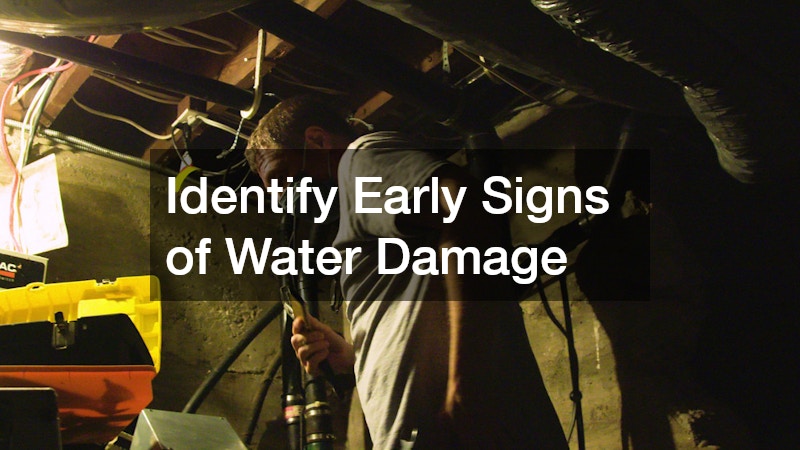
Early detection is the cornerstone of effective water damage prevention. Many homeowners fail to notice small leaks, minor seepage, or hidden dampness until it evolves into a serious problem. Being aware of early warning signs allows you to act quickly, minimizing damage and preventing costly repairs.
Common signs of water damage include:
- Discoloration or peeling paint: Moisture behind walls or ceilings often causes paint to bubble or flake. This is particularly noticeable in bathrooms, kitchens, or basements.
- Warped or buckling flooring: Wood floors expand and contract with moisture, while carpets may feel damp or show swelling. Ignoring this can lead to permanent damage.
- Musty odors: A lingering, earthy smell often signals hidden mold growth, even in areas you cannot see.
- Pooled water or damp spots: Check around appliances, sinks, water heaters, and baseboards. Even small puddles indicate a problem.
- Unexplained spikes in water bills: A sudden increase may point to a hidden leak in your plumbing system.
Practical steps for early detection:
- Routine inspections: Look under sinks, behind toilets, and around washing machines or dishwashers.
- Monitor floors and walls: Pay attention to subtle changes in texture or color.
- Use moisture meters: Affordable tools can detect dampness in areas that are otherwise hidden.
- Engage professionals early: Contact water damage companies as soon as you suspect an issue. They have specialized tools like infrared cameras and hygrometers to identify hidden problems before they worsen.
Early detection often prevents small issues from becoming large-scale restoration projects. A leak left unchecked for weeks can compromise flooring, structural integrity, and air quality, leading to tens of thousands in repairs.
Maintain Your Plumbing System
A well-maintained plumbing system is one of the most effective ways to prevent water damage. Plumbing failures, such as burst pipes, loose connections, or clogged drains, are among the most common causes of household flooding. Proactive maintenance is critical.
Key strategies to maintain plumbing systems:
- Schedule professional inspections: Licensed plumbing companies can identify aging pipes, worn-out seals, or small leaks that may not be immediately noticeable.
- Replace worn components: Faucets, hoses, and washers deteriorate over time. Replacing these can prevent small drips from escalating.
- Install water pressure regulators: High water pressure can strain pipes and lead to bursts. Regulating pressure protects your system.
- Monitor water flow: Sudden changes in flow or drops in pressure can indicate a hidden leak.
Prevent clogs to avoid backups:
Clogged drains often lead to water overflow, which can damage floors and walls. Routine drain cleaning prevents the buildup of hair, grease, soap scum, and other debris. Consider:
- Scheduling annual or semi-annual drain cleaning.
- Using hair traps in shower drains.
- Avoid pouring grease or oily substances down the kitchen sink.
Neglecting plumbing maintenance may seem harmless in the short term, but even minor leaks can compromise your home’s structure. Acting early not only prevents flooding but also reduces mold risk, making plumbing upkeep a critical part of water damage prevention.
Protect Your Flooring and Carpets

Water can severely damage floors and carpets. Hardwood, laminate, and natural fiber rugs are particularly vulnerable to moisture. Without proper protection, water can cause warping, staining, or mold growth, leading to costly repairs or replacements.
Tips for flooring protection:
- Proper hardwood flooring install: Installing hardwood with a moisture barrier helps prevent warping and buckling. Incorrect installation often results in gaps, cupping, or irreversible damage.
- Use area rugs in high-risk areas: Kitchens, laundry rooms, and entryways are prone to spills and splashes. Rugs can absorb minor water exposure and protect underlying flooring.
- Professional carpet cleaning: If carpets get wet, professional carpet cleaning services can extract moisture, disinfect surfaces, and prevent mold growth.
- Elevate furniture and valuables: Place heavy items on platforms or use waterproof mats to prevent contact with potential water exposure.
Responding to water penetration:
- Remove excess water immediately using wet/dry vacuums or mops.
- Increase ventilation by opening windows or using fans.
- Contact restoration experts for severe cases; professionals may save hardwood floors through drying, sanding, and refinishing.
Ignoring water damage to floors can lead to structural weakening, mold, and expensive replacements. Early action, combined with preventative measures, preserves both the safety and aesthetics of your home.
Waterproof Your Home
Waterproofing is one of the most effective long-term strategies for preventing water damage. A professional waterproofing company can evaluate vulnerable areas and implement measures that keep water out, especially in basements, crawl spaces, and areas prone to flooding.
Waterproofing solutions include:
- Foundation sealing: Prevents groundwater infiltration that can compromise structural integrity.
- Sump pumps: Automatically remove water from low-lying areas during heavy rainfall or floods.
- Waterproof coatings: Applied to walls and floors in moisture-prone areas to block water penetration.
- Sealing windows, doors, and vents: Protects against rainwater and storm damage.
Why waterproofing matters:
Even small cracks in the foundation can allow moisture to seep in, leading to mold growth and structural weakening. Waterproofing acts as a preventative measure, reducing the need for emergency repairs. Homes in regions with high rainfall or flooding risk particularly benefit from comprehensive waterproofing strategies.
Address Mold and Mildew Early
Mold and mildew are common byproducts of water damage and thrive in damp, poorly ventilated areas. Once established, mold can cause structural damage, degrade indoor air quality, and present serious health risks. Early detection and removal are essential.
Preventative and remedial steps:
- Dry affected areas immediately: Use fans, dehumidifiers, and ventilation to remove moisture.
- Remove unsalvageable materials: Wet insulation, drywall, or carpeting should be replaced.
- Hire water damage restoration professionals: Certified experts safely remove mold and treat affected surfaces.
- Apply antimicrobial treatments: Prevent recurring mold in high-risk areas like basements or bathrooms.
Health implications of mold:
- Respiratory problems, especially for those with asthma or allergies
- Eye and skin irritation
- Chronic sinus infections
Ignoring mold can escalate both property and health risks. By addressing moisture promptly, homeowners can prevent mold growth and protect their home environment.
Maintain Clean Water Systems
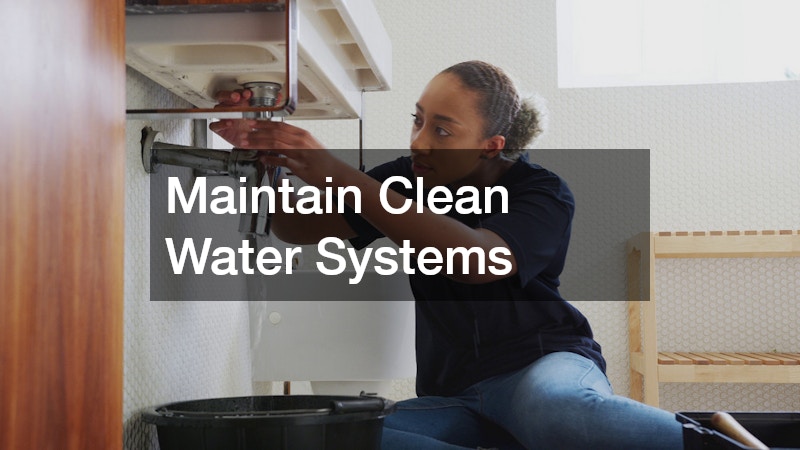
Not all water damage comes from floods or leaks—sometimes the water itself can be a hidden source of harm. Sediment, bacteria, and mineral buildup in your pipes can corrode plumbing, reduce efficiency, and even compromise your home’s health. Installing a water purifier is a simple yet effective way to protect both your plumbing and your family.
Benefits of maintaining clean water systems:
- Removes contaminants: Purifiers filter bacteria, chlorine, and heavy metals, keeping drinking water safe.
- Reduces scale buildup: Minerals in untreated water can accumulate in pipes and appliances, causing leaks or reduced flow.
- Protects appliances: Washing machines, dishwashers, and water heaters last longer when exposed to clean water.
- Prevents internal damage: Corrosive water can weaken plumbing systems, leading to hidden leaks or bursts.
Practical tips for clean water management:
- Replace filters according to manufacturer recommendations to maintain effectiveness.
- Periodically test water quality to ensure your purification system is working.
- Consider whole-home purification for maximum protection.
Regular attention to your water supply prevents internal plumbing issues that often go unnoticed until damage occurs. A water purifier installation is not just about drinking water quality—it’s a preventative measure that protects your home’s infrastructure from water-related emergencies.
Keep Outdoor Areas Safe
Water damage doesn’t always start indoors. Poorly maintained exteriors can allow rain and runoff to penetrate your foundation, causing basement flooding, wall seepage, or erosion. Local power washing services are a practical solution to maintain outdoor surfaces and ensure water flows safely away from your home.
Benefits of outdoor maintenance:
- Debris removal: Leaves, dirt, and algae can block gutters, downspouts, and drainage channels, causing water to pool near the foundation.
- Surface preservation: Power washing removes mold, mildew, and grime that trap moisture against siding, decks, and patios.
- Prevents structural deterioration: Moisture accumulation can erode concrete, wood, and other materials, leading to costly repairs.
- Enhances curb appeal: Clean exterior surfaces improve aesthetics and property value.
Additional preventative measures:
- Regularly clear gutters and downspouts to avoid overflow.
- Inspect your yard grading to ensure water flows away from the home.
- Seal cracks in patios, driveways, and siding to prevent water infiltration.
Proactive outdoor maintenance is a crucial, often-overlooked component of water damage prevention. By keeping surfaces clean and drainage functional, homeowners can reduce the likelihood of water-related emergencies.
Use Indoor Storage Wisely
Water damage often threatens stored belongings, especially in basements, attics, or garages. Smart indoor storage practices minimize risk and protect your valuables from unexpected leaks or flooding.
Effective indoor storage strategies:
- Waterproof containers: Store important documents, electronics, or seasonal items in sealed bins to prevent water intrusion.
- Elevate items off the floor: Shelving systems keep belongings safe even if minor flooding occurs.
- Monitor for moisture: Check storage areas regularly for leaks, condensation, or dampness.
- Organize for quick access: Proper organization allows you to move items efficiently in case of an emergency.
Case example: A family stored holiday decorations in cardboard boxes on the basement floor. A sudden pipe leak caused partial flooding, ruining most of the boxes. If they had used elevated waterproof storage, damage would have been avoided.
By pairing proper storage with routine inspections, you protect both your possessions and your home from costly water-related incidents.
Create a Water Emergency Plan
Being prepared for water damage is as important as preventing it. A well-structured water emergency plan allows homeowners to respond quickly and efficiently, minimizing damage.
Essential components of a water emergency plan:
- Know your shut-off valves: Main water shut-offs should be easily accessible to stop leaks immediately.
- Emergency supplies: Keep wet/dry vacuums, buckets, mops, towels, and fans ready for rapid response.
- Document valuables: Photograph and catalog belongings for insurance claims.
- Professional contacts: Keep the phone numbers of reliable water damage companies and plumbing companies handy.
Step-by-step emergency response:
- Shut off the main water supply.
- Remove standing water where safe to do so.
- Ventilate affected areas with fans or dehumidifiers.
- Contact professionals for major water issues.
- Document damage for insurance purposes.
Having a plan reduces panic, prevents mistakes, and ensures faster recovery. Homeowners who prepare in advance often face smaller losses and lower repair costs.
Work With Professionals for Restoration
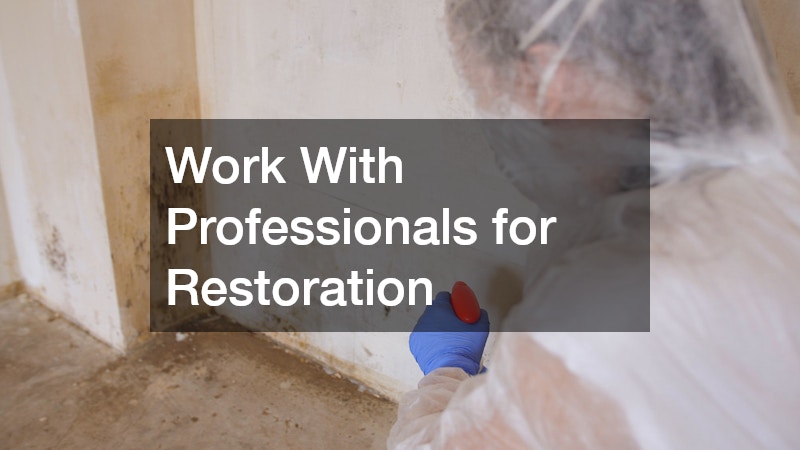
Even with prevention, water damage can occur. Professional water damage restoration services ensure thorough cleanup, structural repair, and mold prevention. DIY methods can be risky, as improper drying or incomplete remediation often leads to recurring problems.
Professional services typically include:
- Water extraction: Removes standing water from carpets, floors, and furniture.
- Drying and dehumidification: Specialized equipment eliminates hidden moisture from walls, floors, and ceilings.
- Structural repair: Flooring, drywall, and cabinetry are repaired or replaced as needed.
- Mold remediation: Certified experts safely remove mold and prevent recurrence.
- Odor removal and sanitation: Ensures a safe and healthy environment.
- Insurance support: Professionals document damage for claims, streamlining the reimbursement process.
Why professional restoration matters:
- Prevents hidden moisture from causing long-term structural damage.
- Reduces health risks by eliminating mold and bacteria.
- Saves money over time by addressing issues correctly the first time.
When water damage occurs, relying on professionals is the safest way to restore your home fully. Combining expert restoration with ongoing maintenance creates a resilient home environment capable of withstanding future water-related challenges.
Water damage is disruptive, expensive, and potentially hazardous. However, proactive measures, regular maintenance, and timely intervention can significantly reduce both risk and cost. Identifying early signs, maintaining plumbing, protecting flooring, and waterproofing your home are all essential steps. Pairing these actions with smart storage, clean water systems, outdoor maintenance, and a clear emergency plan provides comprehensive protection.
Ultimately, the best defense against water damage is preparation. By following these expert tips and knowing when to call professionals, homeowners can safeguard their property, protect their belongings, and maintain a safe, healthy living environment. Prevention and preparedness not only save money—they preserve peace of mind.