 By
By 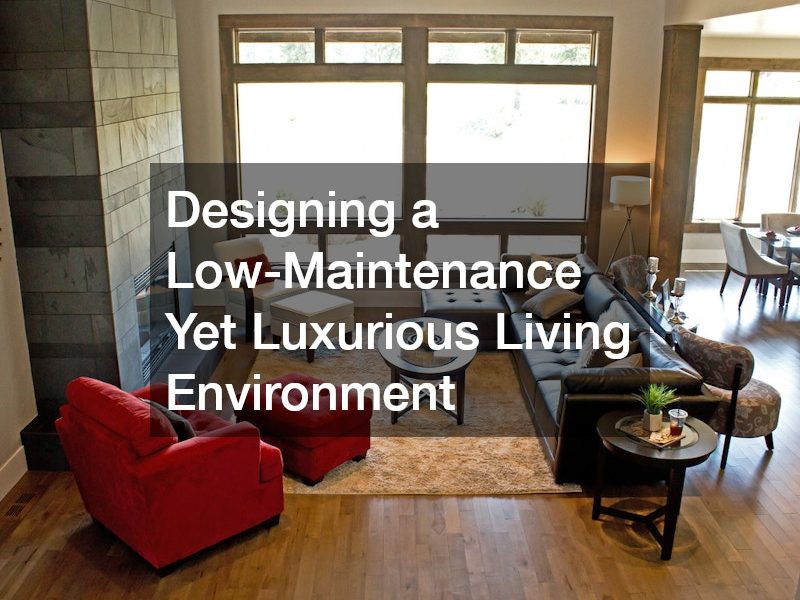
Creating a home that feels refined, comfortable, and visually stunning doesn’t have to come with constant upkeep. In fact, the most thoughtfully designed luxury homes are often the easiest to maintain. The difference lies in smart planning—choosing materials, systems, and layouts that reduce effort without sacrificing quality.
A low-maintenance luxury home isn’t about cutting corners. It’s about eliminating friction. When everything from your exterior finishes to your storage systems is designed with longevity and efficiency in mind, your home works with you instead of against you. The result is a space that looks exceptional year-round without demanding your time every weekend.
Start With Durable, High-End Exterior Materials
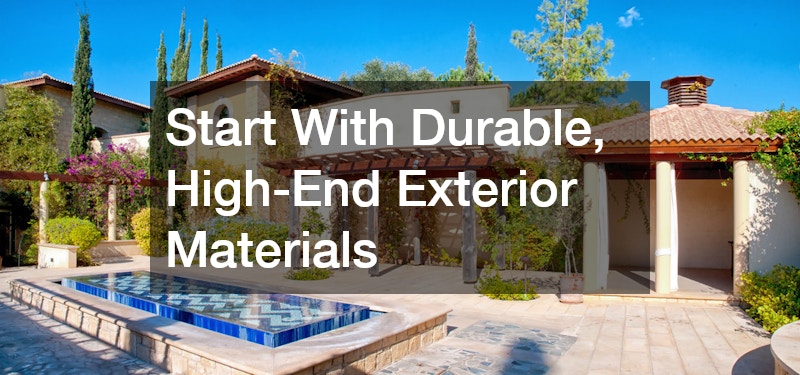
The exterior of your home sets the tone for everything else, but it’s also where maintenance issues tend to begin. Wind, rain, heat, and debris all take their toll over time, which is why material selection matters more than most homeowners realize.
One of the most critical decisions involves your roof. While it’s tempting to choose something that looks good in the short term, higher-end materials like metal, slate, or architectural shingles tend to outperform standard options by decades. The difference isn’t just visual—it’s structural. These materials resist cracking, warping, and moisture damage, meaning fewer repairs and less ongoing attention.
Working with an experienced roofing contractor early in the process can prevent a long list of future headaches. A professional can recommend materials suited to your climate and ensure proper installation, which is just as important as the material itself. Poor installation is one of the leading causes of premature wear, even in otherwise high-quality systems.
It’s also worth reevaluating your current roofing service if you find yourself dealing with frequent repairs. Recurring issues often signal that a more comprehensive upgrade would be more cost-effective in the long run. Investing upfront in durability almost always reduces both maintenance and stress later.
Design Landscaping That Looks Stunning With Minimal Upkeep
A beautifully landscaped yard can elevate a home instantly—but if it requires constant trimming, watering, and replanting, it quickly becomes a burden. The goal is to create an outdoor environment that feels lush and intentional without demanding daily attention.
This often starts with plant selection. Native and climate-adapted plants naturally thrive with less water and care. They’re already suited to local soil conditions and weather patterns, which means fewer surprises and less intervention.
Hardscaping also plays a larger role in low-maintenance design than many homeowners expect. Incorporating stone pathways, gravel beds, or decorative concrete can reduce the amount of grass and high-maintenance greenery you need to manage. These elements add visual interest while cutting down on ongoing work.
A professional landscape company can help balance these elements in a way that feels cohesive rather than sparse. They understand how to layer textures, colors, and heights to create depth without overcomplicating the design.
Tree care is another area where thoughtful planning pays off. Regular pruning keeps trees healthy and prevents overgrowth that can lead to damage or excessive debris. Partnering with experienced tree trimming contractors ensures that this work is done safely and strategically, preserving both the appearance and health of your landscape.
Create Outdoor Living Spaces That Require Less Maintenance
Outdoor living areas are a hallmark of luxury homes, but poorly designed spaces can become magnets for dirt, damage, and constant upkeep. The key is to build with longevity in mind from the start.
Material choice again plays a major role. Natural stone, porcelain pavers, and composite decking are all excellent options because they resist staining, fading, and weather-related wear. Unlike traditional wood, these materials don’t require frequent sealing or refinishing.
Covered spaces also make a significant difference. A pergola, awning, or fully covered patio can shield your furniture and flooring from direct sun and rain, extending their lifespan and reducing cleaning needs. It also makes the space usable year-round, which adds to the sense of luxury.
Drainage is often overlooked but incredibly important. Without proper grading and water management, even the most beautiful patio can develop issues like pooling water or shifting surfaces. A well-planned patio installation addresses these concerns upfront, ensuring the space remains stable and easy to maintain over time.
When done right, your outdoor area becomes a seamless extension of your home—one that feels polished without requiring constant attention.
Upgrade to Smart Climate Control Systems
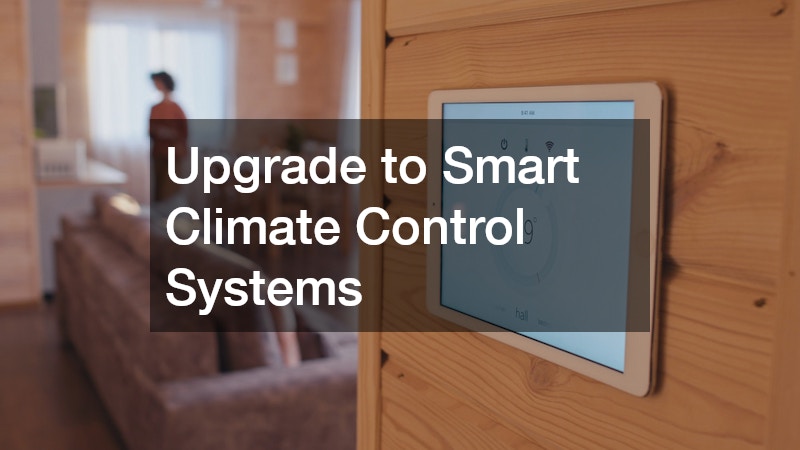
Comfort is a defining feature of luxury living, and climate control plays a central role in that experience. However, older systems often require frequent adjustments, maintenance, and repairs. Upgrading to modern solutions can dramatically reduce both effort and energy consumption.
Smart thermostats are a simple but powerful starting point. They learn your habits, adjust temperatures automatically, and can be controlled remotely. This eliminates the need for constant manual changes while ensuring your home is always comfortable when you need it to be.
Zoned systems take this a step further by allowing different areas of the home to be heated or cooled independently. This not only improves comfort but also reduces unnecessary energy use.
If your current system struggles to keep up, it may be time to consider a new AC installation. Newer units are significantly more efficient and often come with features that simplify maintenance, such as self-diagnostics and alerts.
Working with a reputable HVAC company ensures that your system is properly sized and installed for your home. Ongoing service plans can further reduce your involvement by handling routine maintenance automatically, catching small issues before they become larger problems.
Optimize Storage With Custom Built-In Solutions
Clutter is one of the biggest contributors to a home feeling high-maintenance. When everything lacks a designated place, even small daily tasks can create visual and physical chaos.
Built-in storage solutions solve this problem by integrating organization directly into the design of your home. Instead of relying on standalone furniture or temporary fixes, these systems create permanent, efficient spaces for everything you own.
A well-designed custom closet, for example, can transform how you interact with your wardrobe. With dedicated sections for different items, adjustable shelving, and thoughtful lighting, it becomes easier to maintain order without effort.
The same concept applies throughout the home. Built-in cabinetry in living areas, kitchens, and even garages can keep surfaces clear and streamline your routines. Materials like high-quality laminates or sealed woods resist wear and are easy to clean, further reducing maintenance.
Over time, these systems do more than just organize—they simplify your daily life in a way that feels almost invisible.
Prioritize Energy Efficiency to Reduce Ongoing Costs
Energy efficiency and low maintenance often go hand in hand. Systems that use less energy typically operate more smoothly and require fewer interventions, making them ideal for a luxury home designed around convenience.
One area that’s gaining attention is alternative fuel sources. Working with a reliable local propane company can provide consistent, efficient energy for heating, cooking, and even backup power systems. Propane systems tend to be low-maintenance and highly dependable, especially in areas where electric grids may be less reliable.
Beyond fuel sources, improvements like upgraded insulation, energy-efficient windows, and modern appliances can significantly reduce both costs and upkeep. These upgrades stabilize indoor temperatures, reduce strain on mechanical systems, and minimize the need for repairs.
The initial investment may be higher, but the long-term benefits—lower bills, fewer service calls, and a more comfortable home—make it a practical choice for anyone seeking a truly low-maintenance lifestyle.
Maintain Structural Features Before They Become Problems
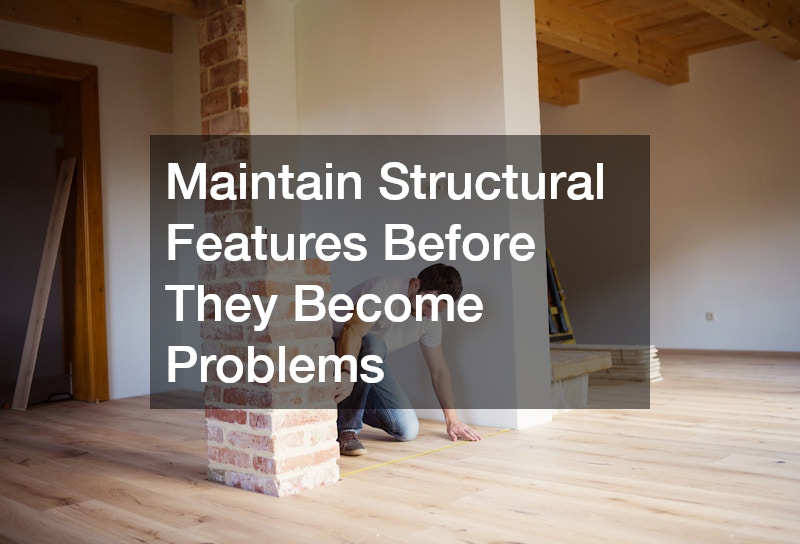
Even the most well-designed home requires occasional attention. The difference between a high-maintenance property and a low-maintenance one often comes down to timing.
Addressing small issues early prevents them from escalating into major repairs. This is particularly important for structural features that are easy to overlook, such as chimneys, foundations, and exterior masonry.
For example, minor cracks or buildup in a chimney may not seem urgent, but over time, they can lead to safety hazards or costly damage. Scheduling regular inspections and handling chimney repair promptly keeps everything functioning as it should without requiring emergency fixes later.
A simple habit of seasonal check-ins can make a significant difference. Walking your property, noting changes, and addressing them early creates a sense of control and prevents surprises.
Choose Finishes and Materials That Age Gracefully
Not all luxury materials are created equal. Some look stunning initially but require constant upkeep to maintain their appearance. Others are designed to evolve over time, developing character while remaining durable.
Choosing materials that age well is one of the smartest ways to reduce maintenance. Natural stone, for example, often becomes more visually appealing as it weathers slightly. Engineered hardwood offers the warmth of wood without the same susceptibility to scratches and moisture.
In kitchens and bathrooms, quartz surfaces provide the look of natural stone with far greater resistance to staining and damage. Similarly, high-quality metals like brushed nickel or stainless steel tend to hide fingerprints and wear better than more delicate finishes.
The goal isn’t to avoid change entirely—it’s to select materials that handle it gracefully. When your home still looks refined even after years of use, maintenance becomes far less of a concern.
Automate Routine Home Maintenance Tasks
Technology has made it easier than ever to reduce the day-to-day effort required to maintain a home. Automation, when implemented thoughtfully, can handle many of the tasks that used to require manual attention.
Consider areas where small, repetitive actions add up over time. Lighting, for example, can be scheduled or controlled remotely, eliminating the need to adjust switches constantly. Robotic cleaning systems can maintain floors with minimal input, while smart irrigation systems ensure your landscaping receives the right amount of water without overdoing it.
Security and monitoring systems also contribute to a low-maintenance environment by providing real-time updates and alerts. Instead of checking on things manually, you’re notified only when something requires attention.
The key is to focus on systems that genuinely simplify your routines rather than adding unnecessary complexity. When done right, automation fades into the background, quietly supporting your home’s functionality.
Build a Preventive Maintenance Routine That Works

Even in a low-maintenance home, consistency matters. The difference is that your routine becomes simpler, more predictable, and far less time-consuming.
Instead of reacting to issues as they arise, a preventative approach keeps everything running smoothly. This might include scheduling annual inspections, setting reminders for seasonal tasks, and maintaining relationships with trusted professionals who can handle specialized work.
A practical routine doesn’t need to be overwhelming. In fact, it often looks like a handful of well-timed actions spread throughout the year. For example:
- Checking exterior surfaces after major weather changes
- Servicing mechanical systems on a regular schedule
- Refreshing small details like sealants or filters
By staying ahead of potential issues, you avoid the stress and disruption of unexpected repairs. Over time, this approach reinforces the sense that your home is not only luxurious but also effortlessly manageable.
Closing Thoughts
A truly luxurious home isn’t defined by how much work it requires—it’s defined by how seamlessly it supports your lifestyle. When every element is chosen with intention, from materials to systems to layout, maintenance becomes less of a chore and more of a background process.
Designing a low-maintenance environment doesn’t mean sacrificing beauty or comfort. It means elevating both by removing the friction that often comes with homeownership. The result is a space that feels as good to live in as it looks—day after day, year after year.
Over time, this approach also changes how you experience your home. Instead of constantly managing it, you’re able to enjoy it—hosting gatherings without worrying about cleanup, traveling without concern, and returning to a space that still feels pristine. That peace of mind is often the most valuable upgrade of all, and it’s what truly defines modern luxury living.
It also creates a more sustainable way to live. Homes that are designed to last, operate efficiently, and require fewer replacements naturally reduce waste and long-term costs. That combination of practicality and elegance is what sets truly well-designed spaces apart. Rather than chasing trends or constant upgrades, you’re building an environment that holds its value and appeal over time. In the end, low-maintenance luxury isn’t just about convenience—it’s about making intentional choices that support a calmer, more enjoyable way of living every single day without the usual demands pulling your attention away from what matters most.