 By
By 
Energy efficiency has become a defining factor in modern multifamily development, especially within high-end residential properties. Luxury apartment complexes are no longer judged solely by aesthetics, amenities, or location; sustainability and operational efficiency now play a critical role in long-term value. As energy costs rise and residents become more environmentally conscious, developers and property managers are under increasing pressure to adopt strategies that reduce energy consumption while maintaining a premium living experience.
This shift toward efficiency is not just about lowering utility bills. Energy-efficient buildings often experience reduced maintenance costs, higher tenant retention, improved indoor comfort, and stronger market differentiation. For luxury apartment complexes, the challenge lies in integrating advanced energy-saving measures without compromising design, comfort, or functionality. Fortunately, modern building science and smart technologies make it possible to achieve both.
From the building envelope to interior systems and shared amenities, every aspect of a luxury apartment complex can be optimized for better energy performance. The following sections explore practical, scalable ways luxury developments can improve energy efficiency while enhancing the overall resident experience.
Optimizing the Building Envelope for Maximum Performance
The building envelope serves as the first line of defense against energy loss. Walls, roofs, windows, and insulation work together to regulate indoor temperatures and minimize the strain on heating and cooling systems. In luxury apartment complexes, high-performance materials are often chosen not only for durability but also for their thermal efficiency.
Well-insulated walls and properly sealed joints help prevent air leaks that can drive up energy usage. Advanced insulation materials, such as rigid foam panels and spray-applied insulation, offer superior performance compared to traditional options. Attention to detail during construction and ongoing maintenance ensures that these systems continue to perform as intended over time.
Addressing issues like roof repair promptly is particularly important, as damaged or deteriorating roofing materials can allow heat transfer, moisture intrusion, and air leakage. Maintaining the integrity of the building envelope protects both energy efficiency and the long-term value of the property.
High-Performance Roofing Solutions
Roofing systems play a significant role in a building’s overall energy profile. In luxury apartment complexes, modern roofing materials are designed to reflect solar radiation, reduce heat absorption, and improve indoor temperature stability. Cool roofs, green roofs, and reflective membranes are increasingly common in upscale developments.
Green roofs, for example, add a layer of vegetation that provides natural insulation, reduces urban heat island effects, and improves stormwater management. Reflective roofing materials help minimize cooling loads during warmer months, which is particularly beneficial in large multifamily buildings.
Partnering with a qualified residential roofing service ensures that roofing systems are installed and maintained to the highest standards. Proper installation, ventilation, and material selection all contribute to improved energy efficiency and reduced long-term operational costs.
Energy-Efficient Windows and Glazing Systems
Windows are both a design feature and a critical energy component in luxury apartments. Large windows and expansive views are highly desirable, but without proper specifications, they can lead to significant heat gain or loss. High-performance glazing systems address this challenge by combining visual appeal with thermal efficiency.
Double- and triple-pane windows with low-emissivity coatings reduce heat transfer while allowing natural light to flood interior spaces. Gas-filled panes and thermally broken frames further enhance performance. These features help maintain consistent indoor temperatures, reducing reliance on heating and cooling systems.
Working with a reputable replacement window company allows developers and property managers to select window systems that align with both aesthetic goals and energy performance standards. Proper window selection can dramatically improve comfort and efficiency across the entire complex.
Modern Window Treatments and Interior Design Choices
Interior design elements also contribute to energy efficiency, often in subtle but meaningful ways. Window treatments, flooring materials, and wall finishes can all influence how heat and light move through a space. In luxury apartments, these elements must balance style with function.
High-quality window coverings help regulate indoor temperatures by blocking excess heat in summer and retaining warmth in winter. Options like contemporary blinds offer adjustable light control while complementing modern interior aesthetics. When paired with efficient windows, these treatments further reduce energy demands.
Thoughtful interior design choices enhance comfort and reduce energy usage without compromising the upscale look residents expect. By integrating efficiency into design decisions, luxury apartment complexes can create spaces that are both beautiful and sustainable.
Efficient Doors and Controlled Airflow
Doors are another often-overlooked component of energy efficiency. Exterior doors, in particular, must provide strong insulation and airtight seals to prevent drafts and temperature fluctuations. In luxury apartments, doors also serve as prominent design features.
High-quality patio doors with insulated frames and multi-pane glass help maintain indoor comfort while providing access to outdoor spaces. Proper sealing and installation are essential to prevent air leakage that can undermine energy efficiency.
Advanced door systems allow luxury apartments to offer expansive views and seamless indoor-outdoor transitions without sacrificing performance. When combined with proper airflow management, these features contribute to a stable and efficient indoor environment.
Balancing Aesthetics and Performance With Large Openings
Open floor plans and expansive openings are hallmarks of luxury apartment design. Large glass surfaces create a sense of openness and connection to the outdoors, but they must be engineered carefully to avoid energy penalties.
Innovative products like luxury sliding glass doors are designed to meet these demands. They incorporate advanced glazing, insulated frames, and precision engineering to minimize heat transfer while maximizing visual impact.
By selecting high-performance solutions for large openings, luxury apartment complexes can preserve their architectural vision while maintaining excellent energy efficiency. These choices enhance resident comfort and reduce long-term energy costs.
Smart Building Systems and Energy Management
Technology plays a central role in modern energy-efficient buildings. Smart systems allow property managers to monitor, control, and optimize energy usage across an entire complex. In luxury apartments, these systems often integrate seamlessly with resident-facing features.
Smart thermostats, lighting controls, and energy monitoring platforms adjust usage based on occupancy patterns and real-time data. This level of control reduces waste while ensuring comfort. Centralized building management systems allow operators to identify inefficiencies and address them proactively.
As demand grows for high-quality living spaces, new apartments increasingly incorporate smart energy systems as standard features. These technologies not only reduce operating costs but also appeal to tech-savvy residents who value convenience and sustainability.

Durable Exterior Materials and Ongoing Maintenance
Exterior materials influence both energy efficiency and long-term maintenance requirements. Siding, cladding, and finishes protect the building from the elements while contributing to insulation and air sealing. In luxury developments, these materials are chosen for performance as well as appearance.
High-quality exterior finishes resist weathering, reduce thermal bridging, and help maintain consistent indoor temperatures. Regular inspections and upkeep ensure that these systems continue to perform effectively throughout the building’s lifespan.
Addressing needs like siding repair in a timely manner prevents air and moisture infiltration that can compromise energy efficiency. Proactive maintenance protects the building envelope and preserves the upscale appearance residents expect.
Collaboration With Experienced Professionals
Achieving high levels of energy efficiency in luxury apartment complexes requires collaboration among architects, engineers, contractors, and property managers. Each decision, from material selection to installation methods, affects overall performance.
Experienced roofing contractors, for example, understand how proper installation, ventilation, and detailing impact energy efficiency. Similarly, professionals across all trades contribute specialized knowledge that helps avoid costly mistakes and inefficiencies.
By assembling a skilled team and prioritizing energy performance from the earliest planning stages, developers can create luxury apartment complexes that stand out for both comfort and sustainability.
Long-Term Value of Energy Efficiency in Luxury Living
Energy efficiency is no longer an optional feature in high-end residential development; it is a core component of long-term value. Luxury apartments that prioritize efficiency benefit from lower operating costs, stronger market appeal, and improved resident satisfaction.
Efficient buildings also align with broader environmental goals, reducing carbon footprints and supporting more sustainable urban development. Residents increasingly seek homes that reflect their values, and energy-efficient living spaces meet this demand.
Energy-Efficient HVAC Systems and Climate Zoning
Heating, ventilation, and air conditioning systems account for a significant portion of energy consumption in multifamily properties. Luxury apartment complexes can greatly improve efficiency by investing in modern HVAC systems designed for large-scale residential use. High-efficiency heat pumps, variable refrigerant flow systems, and energy recovery ventilators all help reduce energy waste while maintaining consistent indoor comfort.
Climate zoning is another important factor. By dividing buildings into zones based on usage patterns and orientation, property managers can ensure that energy is delivered only where it is needed. This approach prevents overconditioning of unoccupied areas and allows residents to personalize their comfort without increasing overall energy demand.
Lighting Design That Reduces Energy Demand
Thoughtful lighting design plays a major role in energy efficiency across luxury apartment complexes. LED lighting has become the standard due to its long lifespan and significantly lower energy consumption compared to traditional bulbs. When paired with smart controls, lighting systems can automatically adjust based on occupancy and natural light levels.
In common areas such as hallways, lounges, and parking structures, motion sensors and daylight harvesting systems help eliminate unnecessary energy use. Inside individual units, layered lighting designs allow residents to use only the light they need, enhancing both efficiency and ambiance.
Water Efficiency and Its Impact on Energy Use
Water efficiency and energy efficiency are closely connected, especially in large residential developments. Heating water for showers, laundry, and kitchens requires substantial energy. By installing low-flow fixtures, high-efficiency water heaters, and recirculation systems, luxury apartment complexes can reduce both water and energy consumption.
Centralized hot water systems with smart controls ensure faster delivery of hot water while minimizing heat loss. These improvements not only lower utility costs but also enhance the resident experience by providing reliable performance and reduced wait times.
Sustainable Operations and Resident Engagement
Energy-efficient design is most effective when supported by sustainable daily operations. Property management practices such as regular system maintenance, performance monitoring, and data-driven decision-making help ensure that efficiency measures continue to deliver results over time.
Engaging residents for new apartments is equally important. Providing education on energy-saving habits, offering real-time usage insights, and encouraging responsible consumption fosters a shared commitment to sustainability. When residents feel involved, luxury apartment complexes can achieve lasting energy efficiency while strengthening community satisfaction.
Advanced Building Automation Systems
Building automation systems allow luxury apartment complexes to manage energy use at a centralized level while maintaining individual comfort. These systems integrate HVAC, lighting, ventilation, and security into a single platform that responds to real-time conditions. Automated adjustments based on occupancy, weather, and time of day help eliminate unnecessary energy use.
For property managers, automation provides valuable performance data that highlights inefficiencies and maintenance needs early. This proactive approach reduces energy waste, extends equipment life, and ensures that building systems operate at peak efficiency throughout the year.
High-Quality Insulation in Shared and Private Spaces
Insulation is not limited to exterior walls; it also plays an important role between units and in shared areas. Proper insulation reduces heat transfer between luxury apartments, helping maintain consistent temperatures and lowering heating and cooling demands. In luxury apartment complexes, acoustic insulation often doubles as thermal insulation, enhancing both comfort and efficiency.
Upgraded insulation materials help minimize temperature fluctuations in hallways, stairwells, and amenity spaces. This creates a more comfortable environment for residents while reducing the overall energy load on building systems.
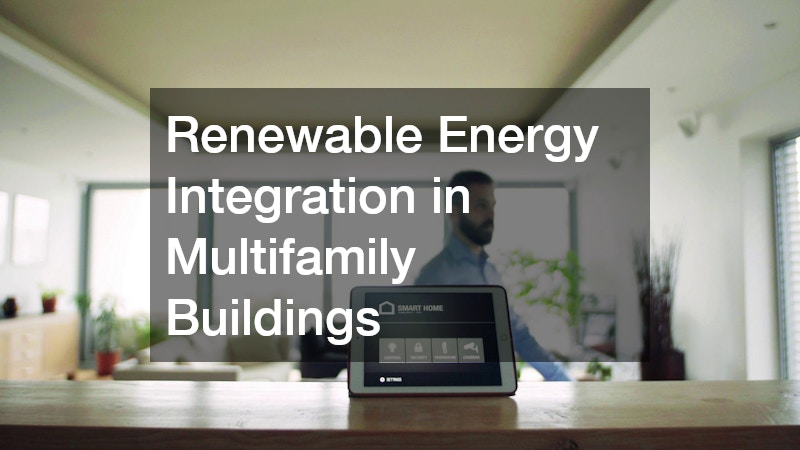
Renewable Energy Integration in Multifamily Buildings
On-site renewable energy sources are becoming more common in high-end residential developments. Solar panels, in particular, can offset a portion of a luxury apartment complex’s energy demand, especially for common areas and shared amenities. When combined with energy storage solutions, renewable systems provide even greater flexibility and resilience.
Renewable energy integration also enhances a property’s sustainability profile, making it more attractive to environmentally conscious renters. Over time, these systems contribute to lower operational costs and improved long-term returns.
Designing Amenity Spaces With Efficiency in Mind
Amenity spaces such as fitness centers, lounges, and co-working areas are key features of luxury apartment living, but they can also be energy-intensive. Efficient design strategies help minimize their impact without reducing usability or appeal. Energy-efficient equipment, zoned climate control, and optimized operating hours all play a role. Work with a window replacement company for proper windows in amenity spaces, too.
By designing amenity spaces to adapt to actual usage patterns, luxury apartment complexes can reduce wasted energy while still delivering the premium experiences residents expect. This balance supports both sustainability goals and high-quality living standards.
By investing in thoughtful design, advanced materials, and smart systems, luxury apartment complexes can deliver exceptional living experiences while setting new standards for energy performance in the residential market.