 By
By 
Luxury kitchen trends are continually evolving, reflecting modern homeowners’ lifestyles and preferences. Staying informed about these trends ensures your kitchen is both functional and elegant. Engaging with your kitchen designer about these trends allows you to tailor your space to your personal style while keeping pace with contemporary aesthetics.
A luxury kitchen is more than just a cooking area, it’s a statement of sophistication and practicality. Understanding what’s possible and how trends can enhance your home is essential for creating a space that is both beautiful and efficient.
This guide explores key trends, communication strategies, and challenges to discuss with your kitchen designer.
What Are the Most Popular Luxury Kitchen Trends?
The Rise of Smart Kitchens
Technology has transformed kitchens into smart, connected spaces that enhance convenience and efficiency. Appliances such as refrigerators that track groceries and ovens controlled remotely are becoming standard. Voice-activated systems that manage lighting, temperature, and window treatments further streamline daily routines.
Smart kitchens also support energy efficiency, helping to reduce utility costs while promoting sustainability. These systems are not only stylish but practical, creating a space that adapts to your lifestyle and elevates daily living.
High-End Materials
Luxury kitchens feature premium materials that balance durability with aesthetic appeal. Marble countertops and backsplashes provide timeless elegance, while quartz offers versatility in color and pattern. Stainless steel appliances are favored for their sleek appearance and easy maintenance.
Sustainable materials like bamboo and reclaimed wood are increasingly popular, combining luxury with environmental responsibility. These elements add unique textures and character, creating a kitchen that is visually striking and thoughtfully designed.
Open Concept Layouts
Open layouts eliminate barriers between cooking and living spaces, creating fluidity and maximizing natural light. Islands and breakfast bars encourage interaction and entertaining, while multifunctional spaces adapt to casual or formal use.
Planning is essential to avoid clutter and maintain cohesion. Organized storage, consistent color schemes, and unified design elements ensure the space remains luxurious, functional, and inviting.
How to Communicate Your Luxury Preferences to Your Designer
Preparing a Visual Portfolio
A visual portfolio helps communicate your tastes to your kitchen designer. Include photos, material samples, and examples of features you admire. Highlight textures, colors, and specific elements to guide your designer in creating a cohesive concept.
Ongoing collaboration and visual references reduce misunderstandings and allow your designer to align your vision with practical design solutions.
Setting a Realistic Budget
Establishing a realistic budget ensures your kitchen remains luxurious without exceeding financial limits. Prioritize features that add the most value, and discuss cost-saving alternatives with your designer. Transparent communication allows your designer to propose solutions that achieve the desired aesthetic while staying within budget.
Revisiting the budget as design decisions evolve ensures flexibility and encourages creative options without overspending.
Understanding Design Terminology
Learning basic design terminology improves communication with your kitchen designer. Terms related to layout, materials, and finishes allow you to articulate preferences clearly. A shared vocabulary fosters informed decisions and enhances collaboration throughout the design process.
Resources such as blogs, books, and workshops can boost your design literacy, supporting a productive partnership with your designer.
Challenges in Designing a Luxury Kitchen
Balancing Aesthetics and Functionality
Luxury kitchens must combine beauty and practicality. Careful consideration of layout, storage, and appliance placement ensures efficiency while maintaining elegance. Pull-out shelves, concealed storage, and thoughtful organization create spaces that are both visually impressive and highly functional.
Managing Space Limitations
Space constraints require creative solutions. Compact appliances, custom cabinetry, and vertical storage optimize available areas without sacrificing luxury. Collaborating with a skilled kitchen designer can transform limitations into innovative, stylish designs.
Coordinating Contractor Roles
Luxury kitchen remodels often involve multiple contractors. Coordinating builders, electricians, plumbers, and painters requires careful planning. A kitchen designer skilled in project management can orchestrate these roles to prevent delays and ensure high-quality results. Experienced contractors enhance the execution of the designer’s vision, maintaining both style and functionality.
Creating a luxury kitchen is a collaborative journey between homeowners and their kitchen designer. By discussing trends, sharing visual references, setting budgets, and navigating design challenges, you can achieve a space that blends elegance with practicality. Thoughtful planning and clear communication ensure the kitchen reflects your style while supporting everyday use.
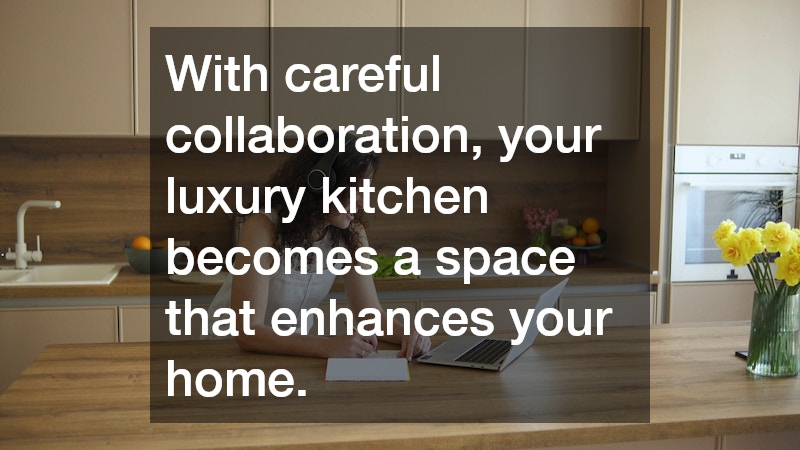
Engaging a designer who understands both aesthetics and functionality elevates the experience, delivering a kitchen that is both luxurious and enduring. With careful collaboration, your luxury kitchen becomes a space that enhances your home, lifestyle, and enjoyment for years to come.