 By
By 
The concept of the “move-in ready” home is one of the most pervasive myths of modern real estate. We look at pristine listings, staging furniture, and neutral gray walls, convinced that this blank canvas is exactly what we want. Yet, within months of moving in, a strange sensation often sets in. The house feels less like a sanctuary and more like a high-end hotel room. It is clean and functional, but it completely lacks soul. Production-line trends leave neighborhoods looking identical on the outside and feeling sterile on the inside. When every builder uses the same subset of mass-produced finishes, our living spaces lose their connection to who we actually are.
The environment you inhabit has a profound psychological impact on your daily well-being. Tailoring your home to your specific routines, sensory preferences, and lifestyle isn’t a superficial luxury; it is a fundamental way to optimize your mental health and comfort. A kitchen configured for someone who loves baking looks and functions differently than one designed for a host who throws large cocktail parties. A bathroom built for a quick morning wake-up routine demands a different design vocabulary than a private evening sanctuary meant for decompression. Personalizing your home is about bridging that gap. This blueprint will guide you through the process of injecting your unique personality into your living space, moving methodically from the macro structural changes of the exterior down to the intimate, micro-level decor choices inside.
Choosing Textures and Tones That Reflect Your Architectural Identity
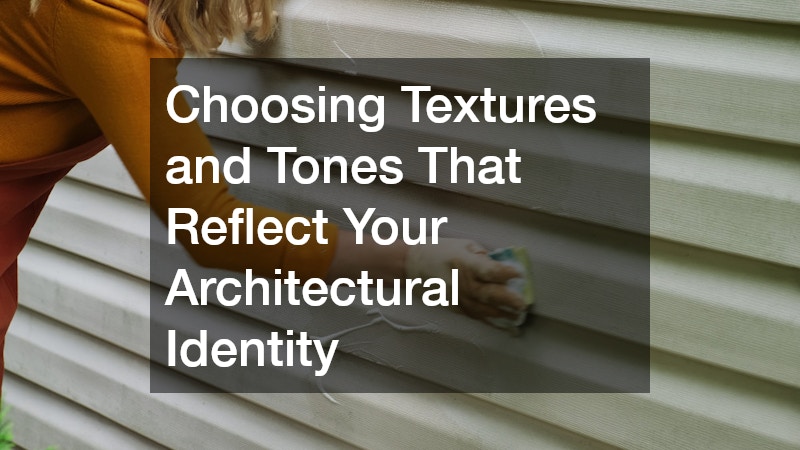
The exterior of your home is the first opportunity to tell your story. Too often, homeowners settle for standard builder-grade vinyl lap siding in a safe, uninspired beige. Personalizing your facade means moving away from these default options and embracing contrast, shadow lines, and mixed materials to redefine your home’s silhouette.
- Visual Dimension: Mix horizontal profiles with vertical board-and-batten or rustic cedar shakes to highlight specific architectural features like gables or entryways.
- Color Reimagined: Move away from bland neutrals by embracing deep charcoals, moody forest greens, and warm, earthy terracottas that harmonize with the surrounding landscape.
- Material Longevity: Evaluate fiber cement, engineered wood, and premium composite materials that offer the rich look of natural timber without the exhausting maintenance schedule.
- Architectural Cohesion: Align your exterior material choices with the local climate and surrounding geography to create an organic sense of place.
- Flawless Execution: Investing in a professional siding installation ensures that moisture barriers, flashing, and expansion gaps are handled correctly to protect your custom aesthetic for decades.
Framing Your Views and Optimizing Natural Light
Windows are the eyes of the home, deeply influencing how you experience your interior spaces and how your house presents itself to the neighborhood. Upgrading your windows allows you to control the quality of natural light entering your rooms, which can completely shift the mood of your interior paint colors and textiles.
- Modern Minimalism: Large, fixed picture windows with slim, black aluminum or fiberglass frames frame your backyard like a living piece of art.
- Classic Elegance: Traditional double-hung windows with custom grille patterns add historic charm and a sense of human scale to cottages and colonial homes.
- Industrial Edge: Steel-framed or dark composite casement windows swing outward, offering maximum ventilation alongside a crisp, graphic border.
- Acoustic Insulation: Choose specialized laminated or triple-pane glass packages to drastically reduce outdoor street noise and create a quieter indoor sanctuary.
- Performance Engineering: Partnering with a reputable window company gives you access to custom manufacturing options and structural expertise, ensuring expansive views do not sacrifice energy efficiency.
Giving Existing Layouts a High-End Face-Lift Without the Demolition
The kitchen is the functional heart of the home, but a full-scale remodel can be incredibly disruptive, expensive, and environmentally wasteful. If your current kitchen layout works well for your daily cooking habits, but the aesthetics feel dated, cheap, or completely out of sync with your personal style, there is a much smarter path forward than total demolition.
- Structural Evaluation: Inspect existing cabinetry boxes; if they are made of solid plywood or sturdy medium-density fiberboard, they are prime candidates for cosmetic upgrades.
- Profile Transformations: Completely alter the design file of the room by replacing old cabinet doors with timeless shaker profiles, sleek flat panels, or intricate beadboard inserts.
- Custom Palette Strategies: Introduce a two-tone color scheme—such as deep navy on the lower cabinets and crisp cream on the uppers—to create contrast and visual interest.
- Hardware Integration: Pair your new doors with unique, personalized hardware like unlacquered brass knobs or oversized matte black pulls to completely change the tactile experience.
- Smart Upgrades: Choosing professional cabinet refacing allows you to achieve a factory-crisp, high-end look in a fraction of the time while keeping your functional layout intact.
Choosing Work Surfaces Tailored to Your Cooking and Entertaining Habits

Once your cabinetry is addressed, your choice of countertops will dictate both the visual anchor and the daily usability of your kitchen. The material you choose should directly reflect how you live, cook, and maintain your space.
- Engineered Quartz: Ideal for busy families, offering near-total resistance to stains, scratches, and acid without the need for routine sealing.
- Natural Stone: Quartzite and marble provide unmatched, completely unique veining patterns that add an elegant, old-world aesthetic to the space.
- Organic Butcher Block: Brings natural warmth and an inviting feel to kitchen islands, though it requires routine oiling to prevent drying and water damage.
- Integrated Features: Consider custom cutouts for undermount sinks, built-in drainboards, or flush-mounted charging pads hidden beneath the stone surface.
- Edge Customization: Utilizing specialized countertop services allows you to choose custom edge profiles, such as a thick mitered edge or a cascading waterfall panel, directly from the stone yard.
Assembling the Right Team to Execute Seamless Flow and Function
If your kitchen demands changes that go deeper than cosmetics—such as knocking down a wall to create an open-concept living space, moving the sink to an island, or upgrading to a commercial-grade range—you are transitioning into a structural renovation. In these scenarios, spatial engineering and workflow take precedence over surface aesthetics.
- Dedicated Work Zones: Map out specific areas where food prep happens, where guests can gather without blocking the chef, and where cleanup occurs.
- Infrastructure Management: Reroute gas lines, upgrade electrical panels for high-amperage induction cooktops, and modify structural support beams safely.
- Code Compliance: Ensure all updates align with strict local plumbing, electrical, and municipal building codes to prevent costly mistakes.
- Future-Proofing Layouts: Plan out hidden appliance garages and internal cabinet charging stations to keep your work surfaces completely free of modern device clutter.
- Professional Oversight: Vetting and hiring experienced kitchen contractors is essential to coordinate subcontractors, keep timelines on track, and translate your lifestyle needs into reality.
Mapping Out Tactile Transitions Throughout the Floor Plan
The flooring beneath your feet acts as the literal and visual foundation of your entire interior design. It affects the acoustics of your home, how warm a room feels in the winter, and how seamlessly light moves from one space to another. Personalizing your flooring involves thinking about tactile transitions as you move between zones.
- Spatial Definition: Use material transitions strategically, such as moving from warm engineered hardwood in the living room to porcelain tile in the entryway, to define functional boundaries.
- Layout Adaptations: Choose distinctive installation patterns, like a classic herringbone or chevron layout, to inject sophistication into formal dining spaces or hallways.
- Material Variety: Choose from wide planks for a rustic feel, luxury vinyl plank for high-moisture durability, or pattern-laid tile to express your design aesthetic.
- Thermal Comfort: Evaluate the compatibility of your flooring materials with radiant underfloor heating systems to bring a luxurious, invisible warmth to cold mornings.
- Subfloor Preparation: Relying on comprehensive flooring services guarantees proper leveling and underlayment installation, which prevents future squeaks, shifting, and moisture damage.
Adding Layers of Warmth, Pattern, and Acoustic Softness
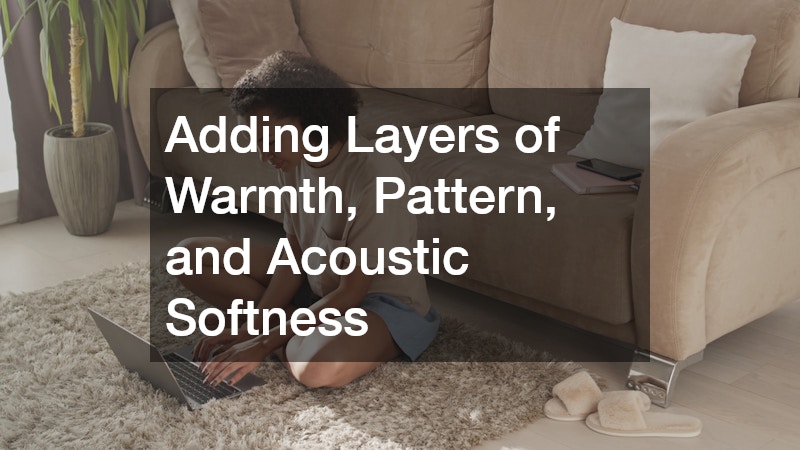
With your permanent flooring installed, the next step in personalization is adding layers of textile comfort. Hard surfaces look beautiful, but without textiles, a home can feel echoey, cold, and physically harsh. Layering rugs over your hardwood or tile floors is one of the most effective ways to introduce color, define conversational seating areas, and improve the acoustic quality of your rooms.
- Proportional Scaling: Choose rugs large enough for at least the front legs of all major seating pieces to sit comfortably on top, anchoring the furniture grouping cohesively.
- Material Matching: Deploy durable wool or flat-woven sisal in high-traffic hallways, while reserving plush, high-pile shag for low-traffic bedrooms.
- Zonal Grounding: Use distinct textile patterns to separate living and dining zones within large, open-concept floor plans.
- Underfoot Cushioning: Invest in premium-grade felt or rubber rug pads to prevent slipping while significantly maximizing the plushness and lifespan of your textiles.
- Artisan Choices: Sourcing unique weaves and vintage patterns from local rug stores allows you to discover distinct, tactile treasures that give your home a curated feel.
Opening Up Visual Space and Eliminating Clunky Barriers
Moving into the private areas of the home, the master bathroom presents a premier opportunity for deep personalization. The modern trend in bathroom design is a shift away from purely utilitarian fixtures toward a spa-like oasis meant for relaxation and rejuvenation. To achieve this, you must eliminate the visual barriers that chop up small rooms.
- Uninterrupted Thresholds: Transition to a seamless curbless shower or wet room design so the floor tile flows uninterrupted, making small bathrooms feel double their size.
- Premium Treatment: Specify thick, heavy architectural glass treated with hydrophobic coatings to prevent water spots and minimize daily cleanup.
- Hardware Cohesion: Customize hardware finishes by matching matte black, brushed bronze, or polished nickel components directly to your plumbing fixtures.
- Privacy Customizations: Explore frosted, fluted, or textured glass alternatives that obscure visibility without blocking the vital passage of natural light.
- Precision Engineering: Investing in a custom glass shower door service ensures the glass is cut precisely to the unique slopes of your walls for a flawless, leak-free installation.
Using Color and Light to Shift Moods and Spatial Perception
Once the structural elements of your bathroom or bedroom are set, paint becomes your most powerful, cost-effective tool for shifting emotional energy and altering spatial perception. Color has a direct pipeline to our moods, and personalizing your walls means looking beyond generic palettes to find tones that resonate with you.
- Saturated Moods: Utilize deep jewel tones like emerald green, charcoal, or dark plum to turn a small room or powder bath into a cozy, dramatic cocoon.
- Airy Serenity: Apply pale mist grays, soft sages, and warm creams to bounce light around a space, evoking a sense of calm and cleanliness.
- Sheen Decisions: Match paint finishes to room utility, using matte for ceilings, eggshell for family living spaces, and semi-gloss for moisture-prone trim.
- Accent Boundaries: Experiment with painted trim or monochromatic ceilings to manipulate the perceived height and architectural boundaries of a room.
- Immaculate Preparation: Consulting with professional painting contractors guarantees crisp lines along ceilings, flawless drywall patching, and the application of durable, low-VOC paints.
Transforming Personal Artifacts and Fine Art Into Structural Focal Points

The final layer of personalizing a home involves curating the walls with your personal history, art, and memories. A house becomes a home when its walls display the stories of the people who live within it. However, hanging art shouldn’t be an afterthought or a random scattering of unframed prints.
- Visual Transitions: Choose frames that bridge the gap between the artwork and the wall color, grounding the piece within the room’s broader design language.
- Archival Preservation: Use acid-free matting to prevent paper discoloration and protect delicate family heirlooms from degrading over time.
- Environmental Protection: Incorporate UV-protective museum glass to eliminate glare while shielding original paintings from sun damage and fading.
- Spatial Harmony: Balance your hanging heights by aiming for a unified eye-level baseline across different rooms to establish design continuity throughout the home.
- Proportional Control: Utilizing custom frames rather than cheap, off-the-shelf options allows you to dictate exact proportions, wood species, and mat widths to fit your decor.
Personalizing a home is fundamentally an iterative journey, not a frantic weekend race to copy a specific trend from a magazine page. It requires patience to discover how you truly interact with your spaces, how the light moves through your rooms at different seasons, and what materials bring you a sense of tactile comfort. By methodically addressing the structural envelope of your house, engineering your hard surfaces for your actual daily routines, and layering in curated finishing touches, you systematically transform a generic building into a tailored reflection of your identity. The true return on investment for a bespoke home cannot be measured purely by market appreciation or neighborhood comps. The real value is found in the quiet, daily joy of living in an environment that fits your lifestyle perfectly, supporting your well-being and welcoming you back every time you step through the front door.